Platform Modernisation
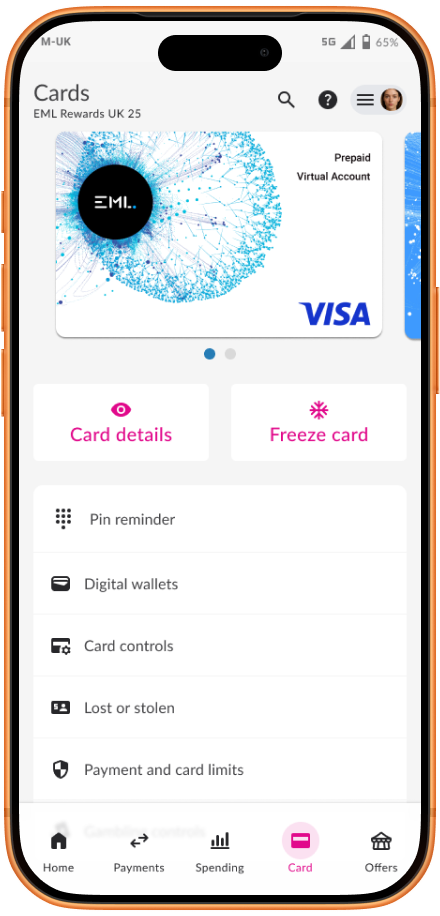
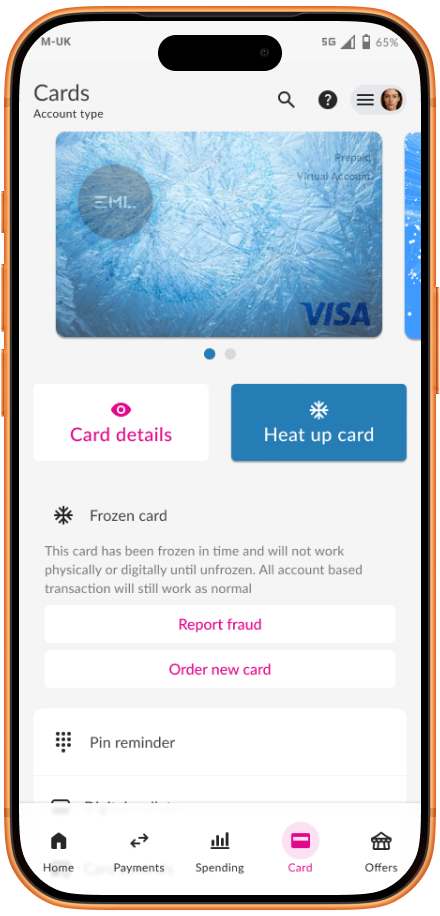
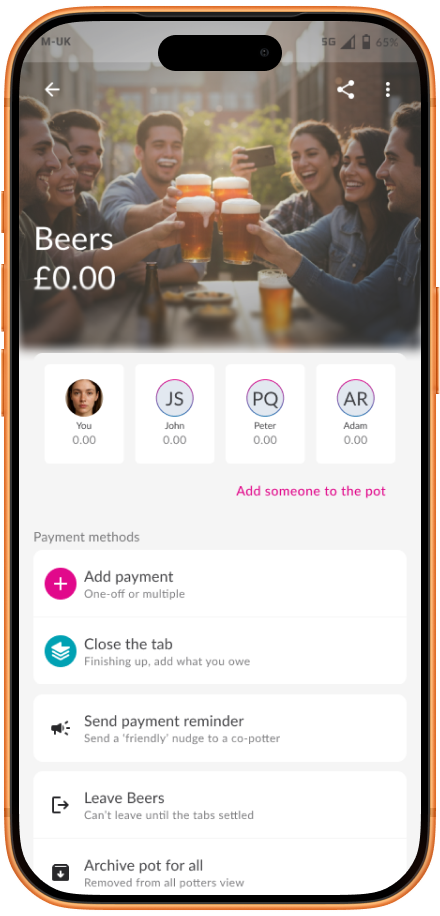
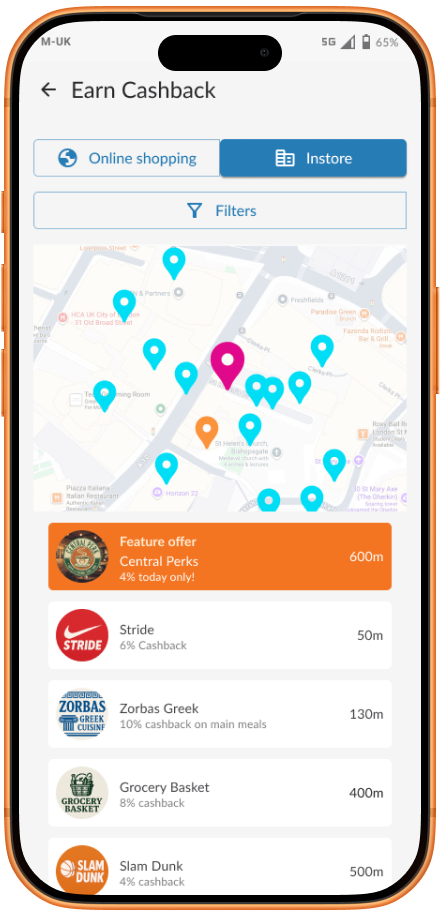
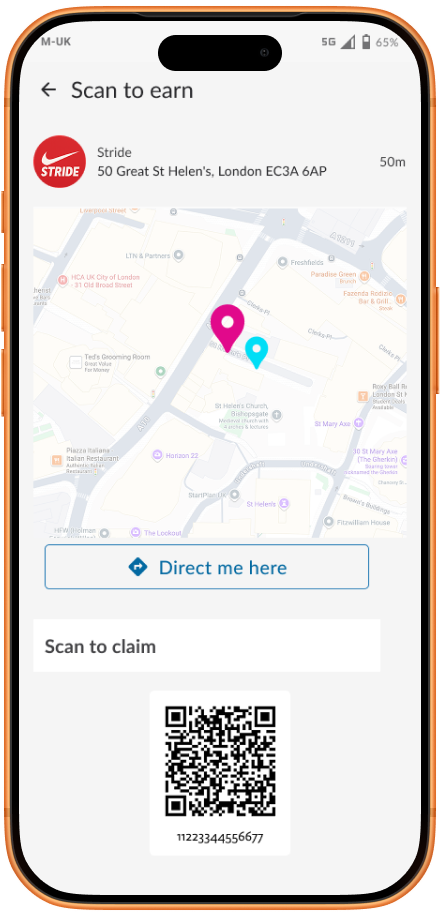
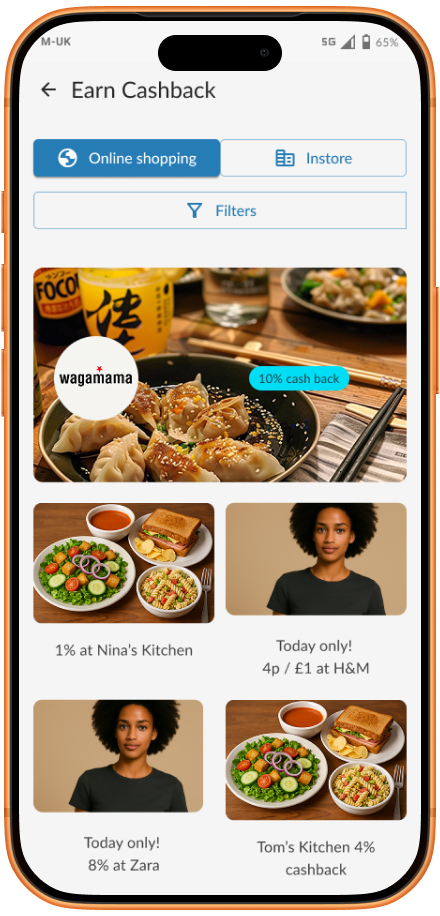
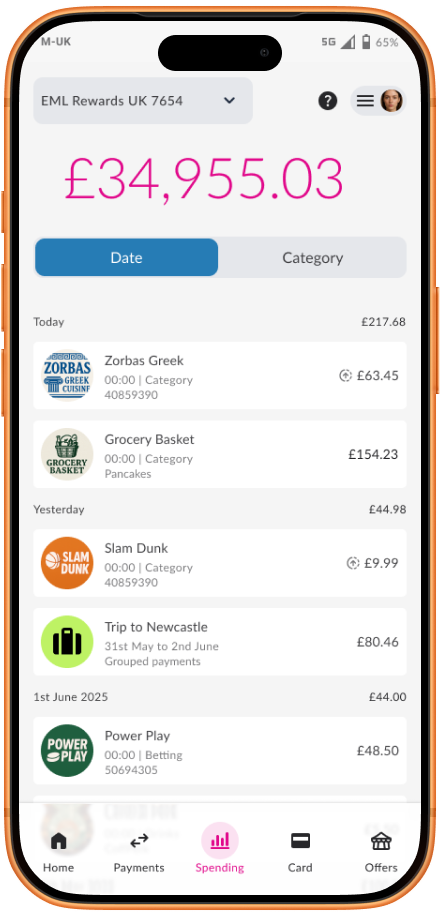
EML Payments has expanded rapidly through a series of acquisitions, resulting in a complex landscape of legacy code and fragmented platforms across its product offerings. I was brought in to assess the current ecosystem and lead the development of a new suite of financial products. The goal is to create a flexible, scalable solution capable of meeting the needs of approximately 80% of clients, while aligning closely with the global design function.
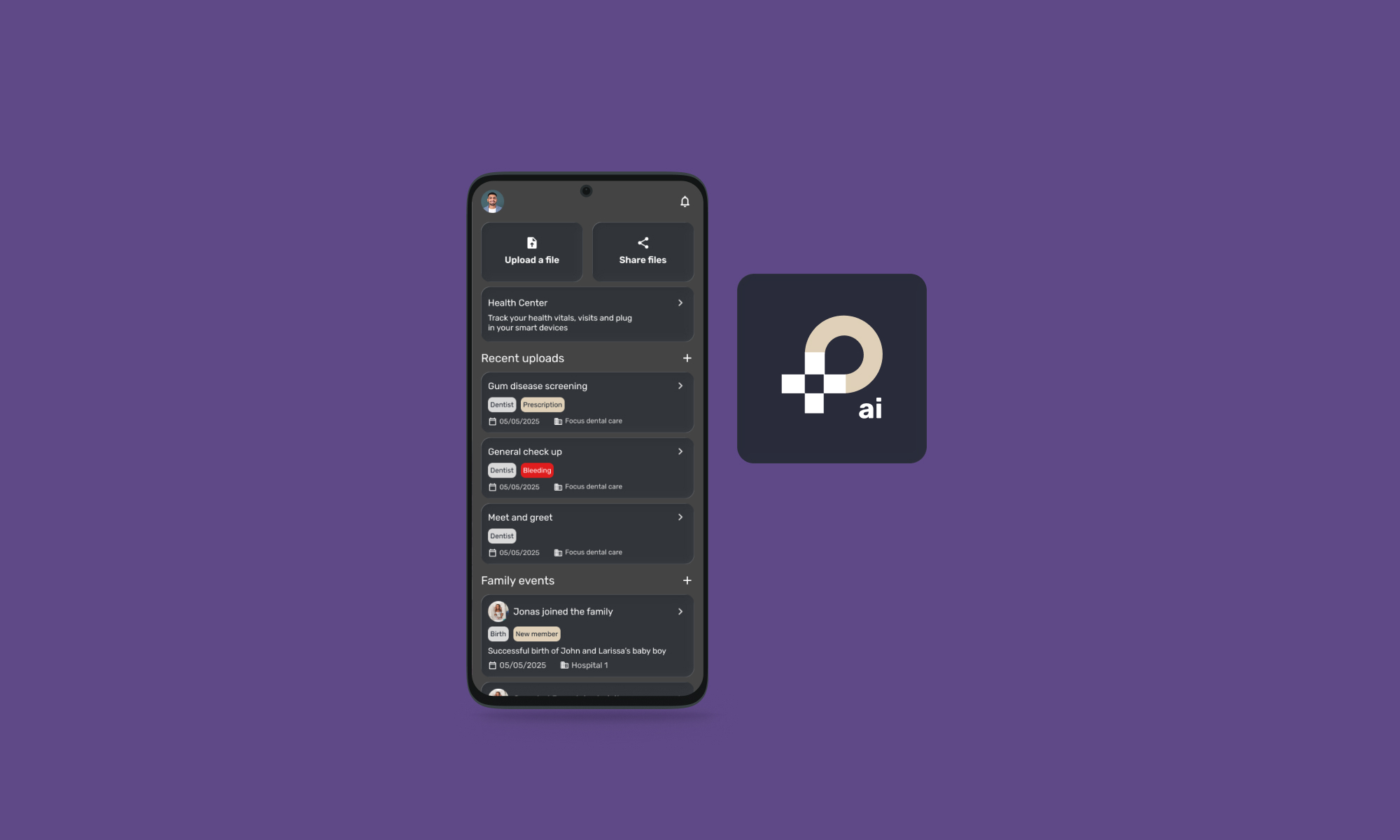
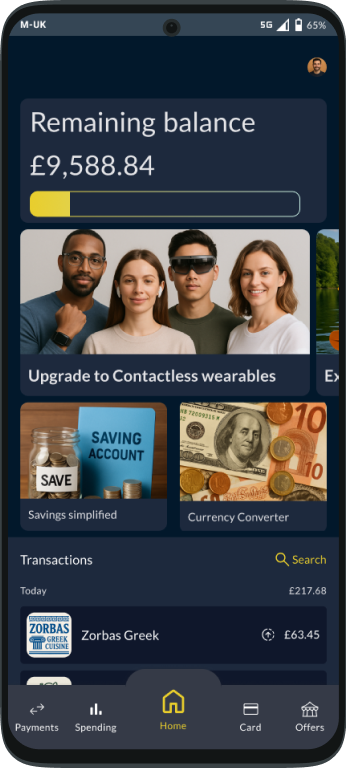
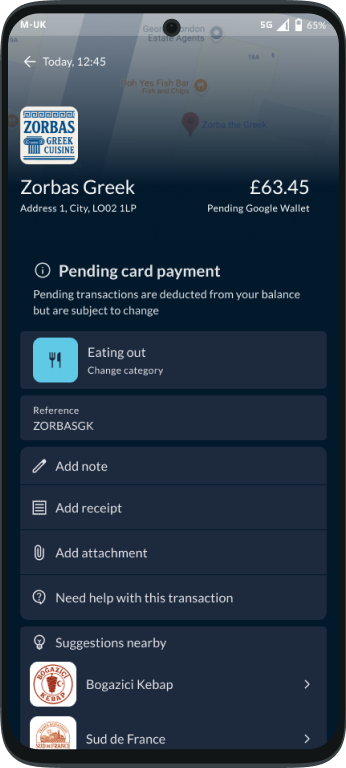
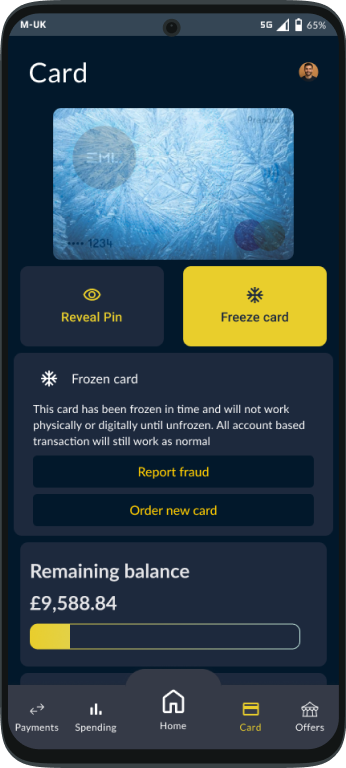
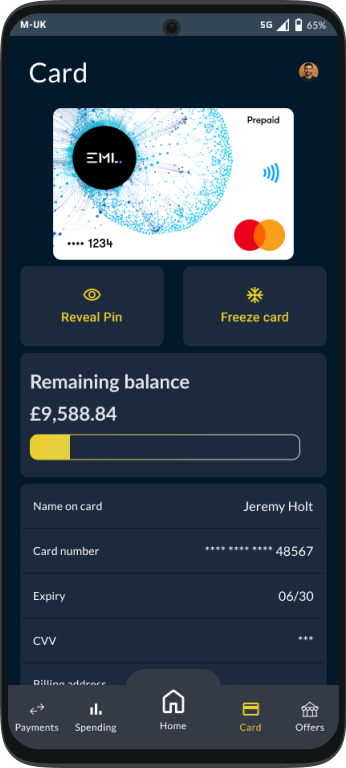
Dark Mode Simplicity
Stretch Goal Designs
Internal portals
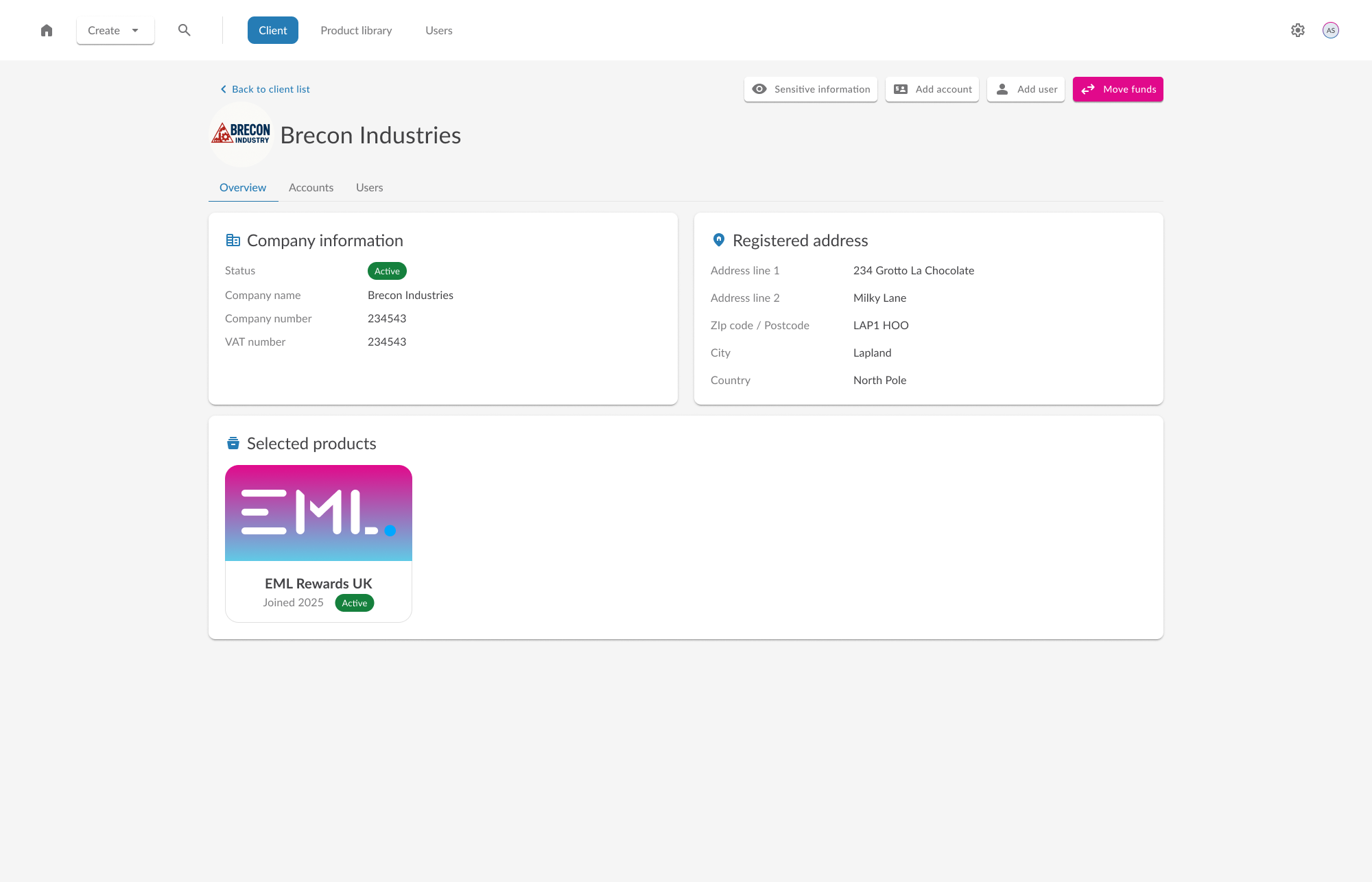
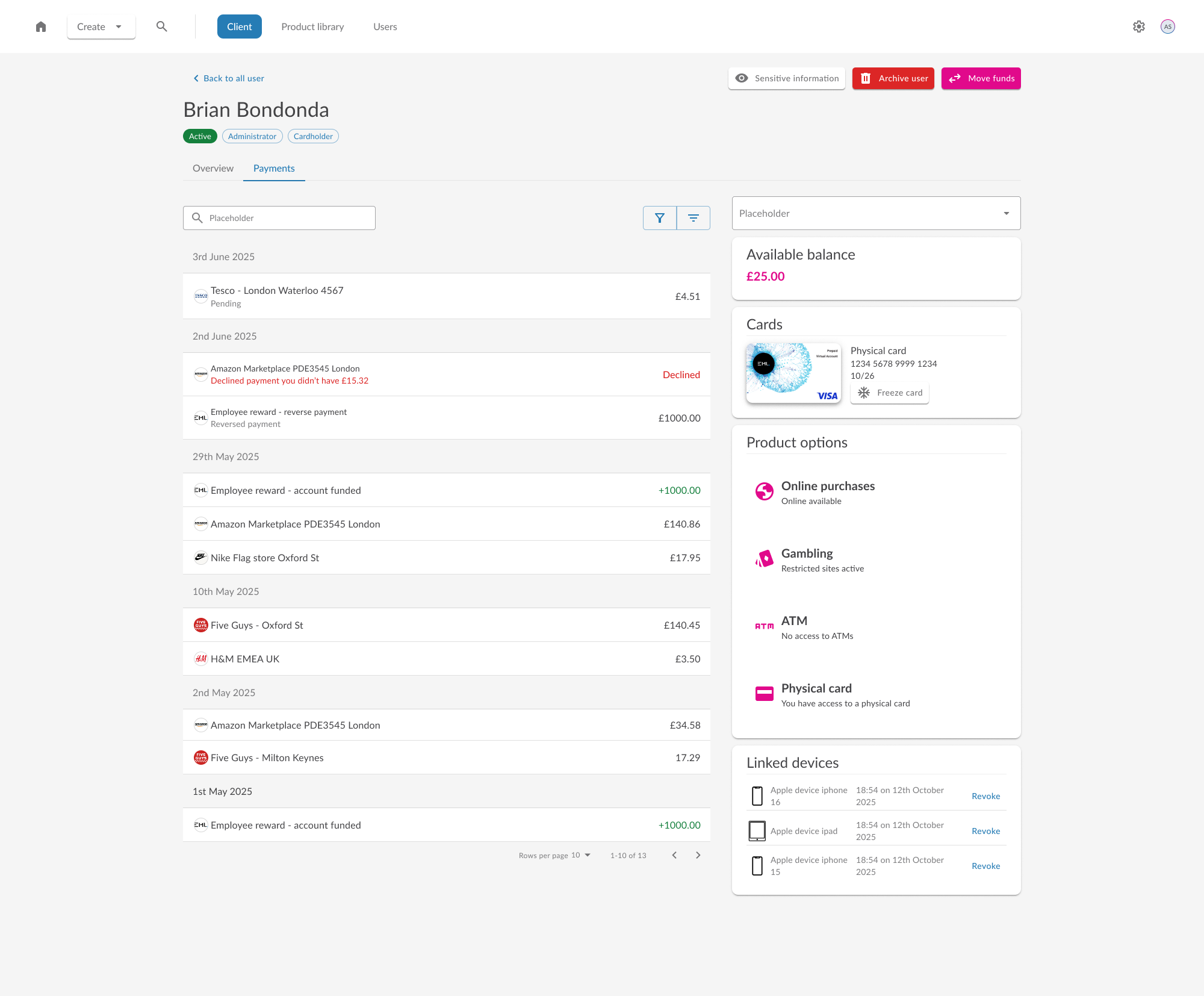
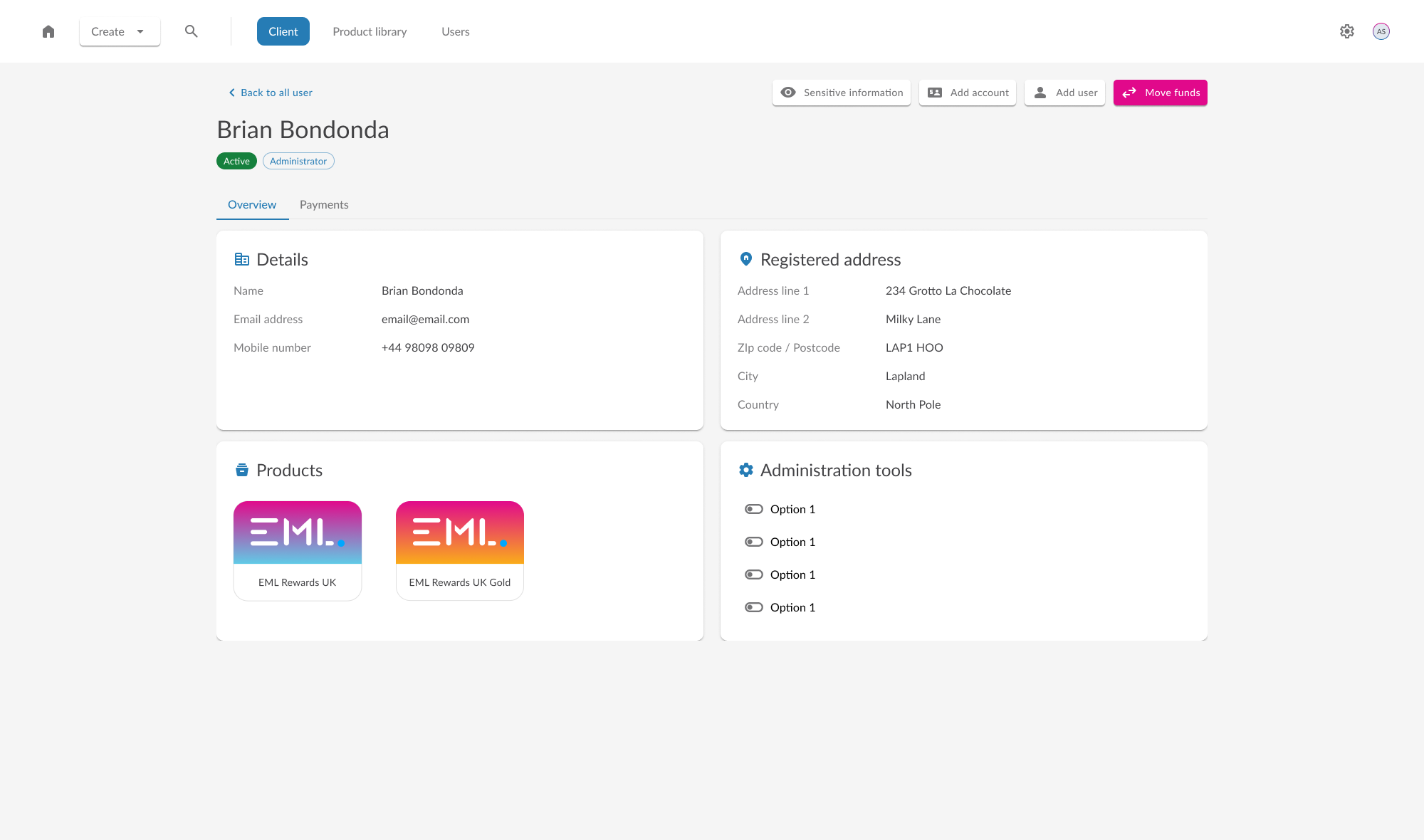
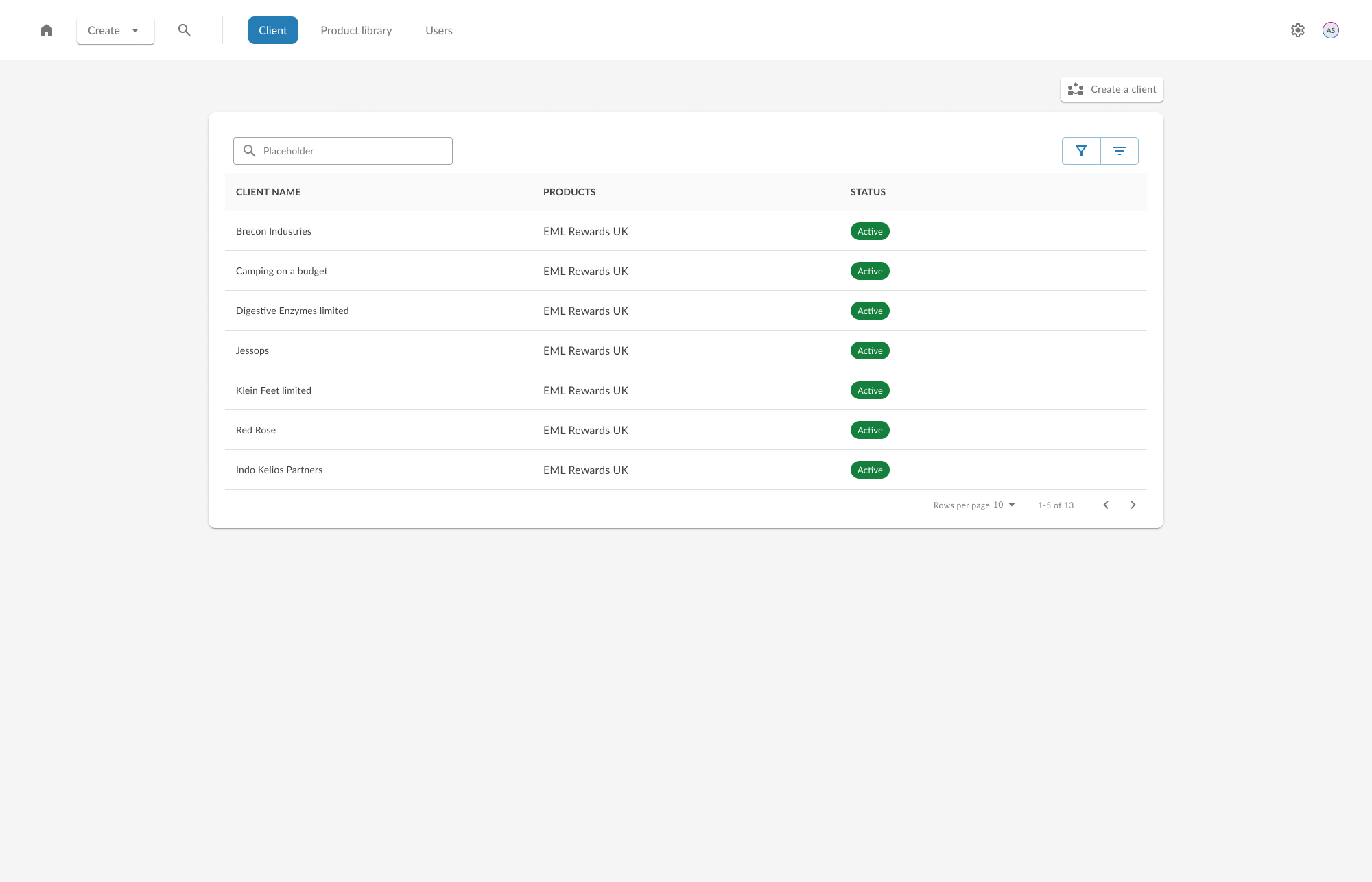
As the product evolved, it became clear that a management layer was needed to give customers the ability to add and manage their own users, while also helping reduce operational costs across the business. This led to the introduction of both an internal portal and a developer portal, extending access to customers and third parties through a more structured and scalable experience.
The internal portal was designed as a modular system, capable of scaling up or down depending on the number of products a user had access to. This approach allowed the platform to stay flexible, support a wider range of client needs, and maintain a consistent experience as the product set expanded.
Design system creation
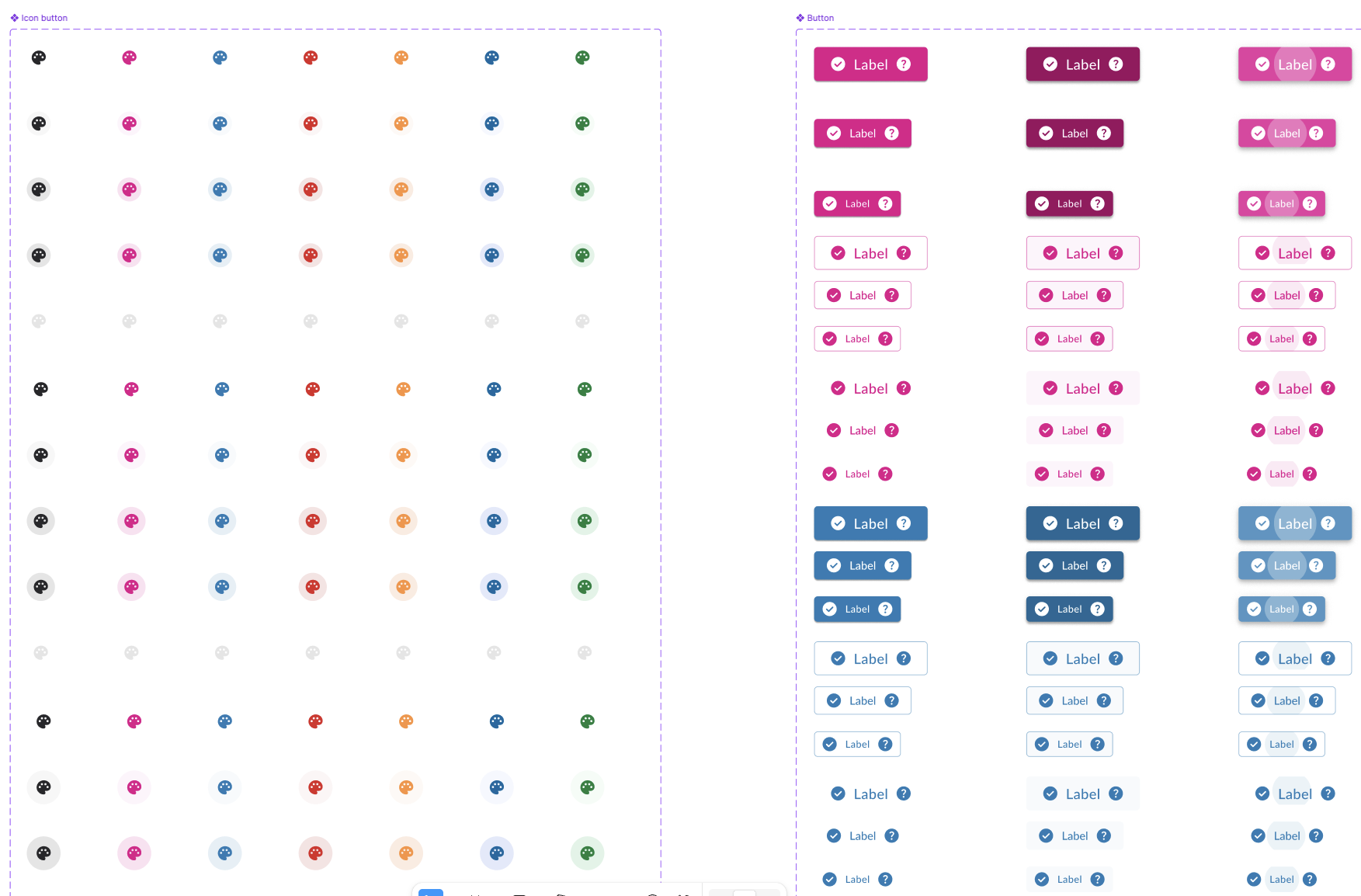
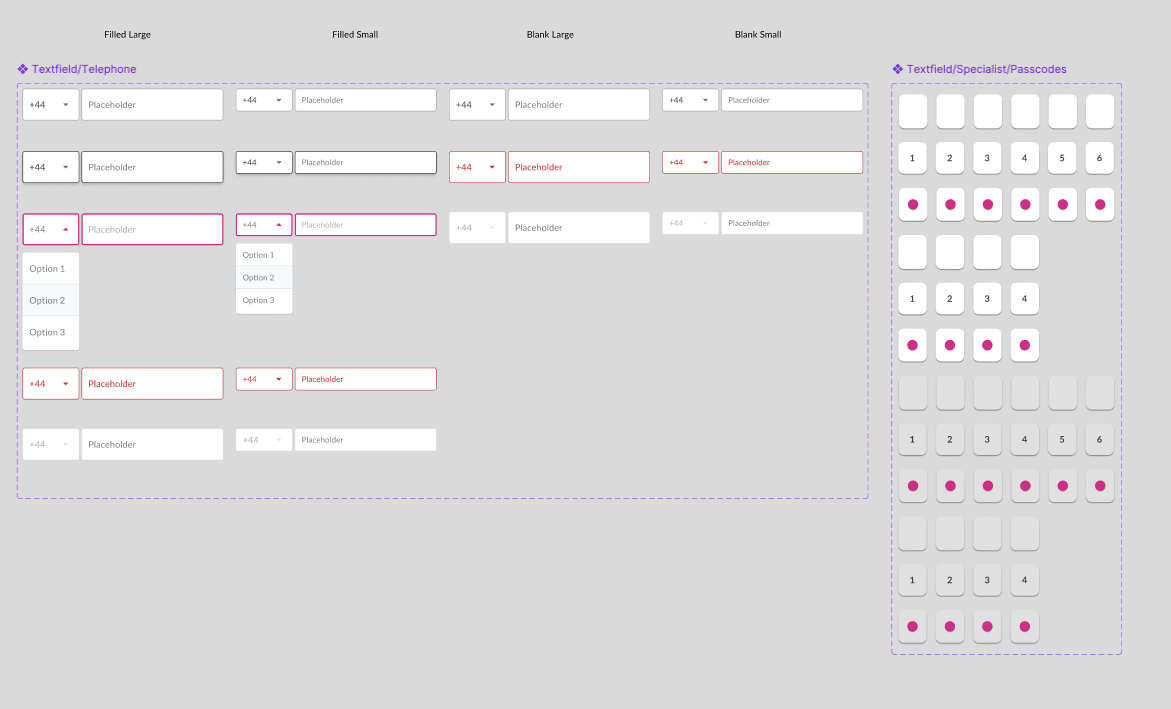
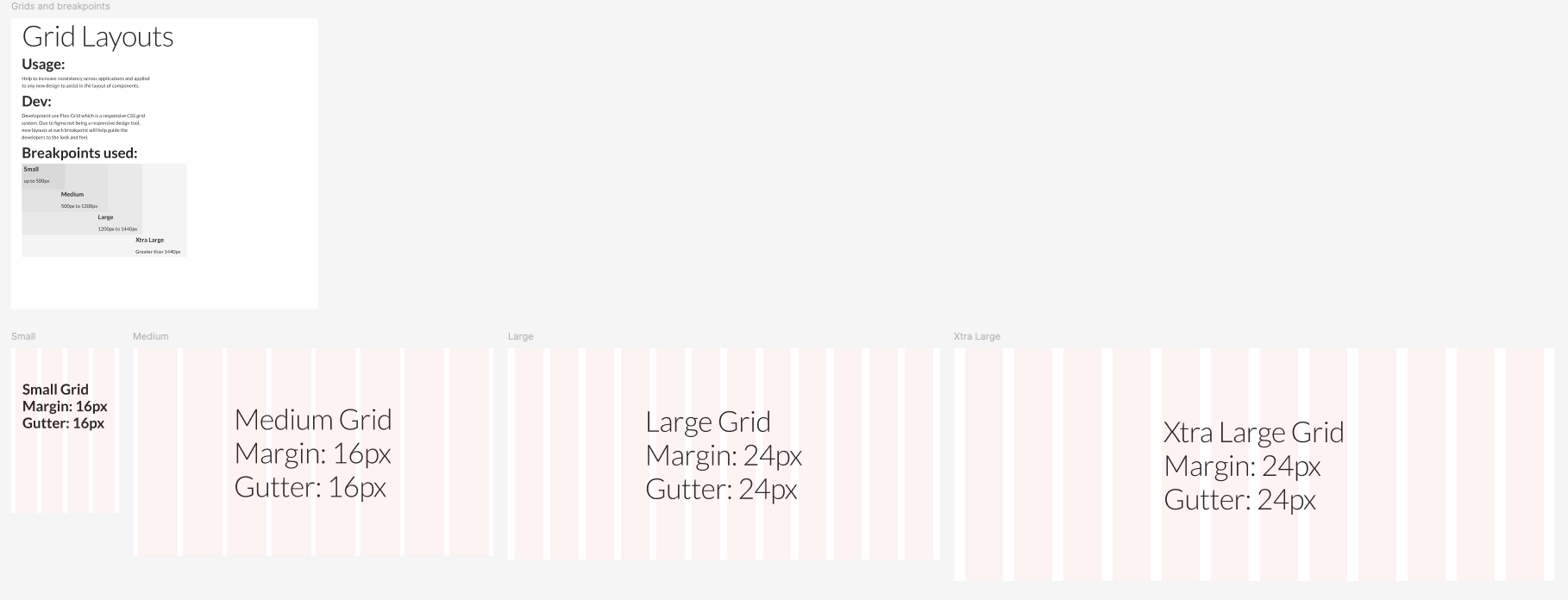
When I joined the company, there was no digital brand or design system in place. Establishing this became one of the first priorities for the newly formed team, creating a working foundation that could support both new Tailwind styles and our custom components.
With this system in place, we were able to move quickly and adapt designs with confidence, particularly as AI began to play a larger role across the business.

Customer portal
As the product evolved, it became clear that a management layer was needed to give customers the ability to add and manage their own users, while also helping reduce operational costs across the business. This led to the introduction of both an internal portal and a developer portal, extending access to customers and third parties through a more structured and scalable experience.
The internal portal was designed as a modular system, capable of scaling up or down depending on the number of products a user had access to. This approach allowed the platform to stay flexible, support a wider range of client needs, and maintain a consistent experience as the product set expanded.